Facilitation for Collective Intelligence and Problem Solving
Santiam Canyon Fire Recovery
The Situation
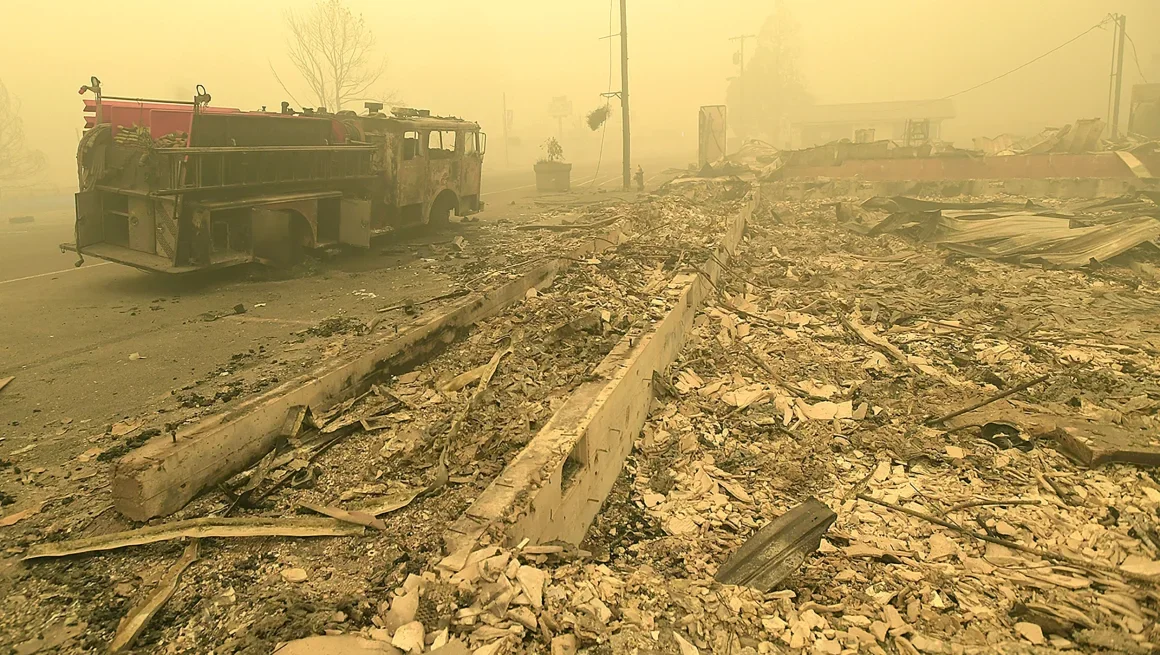
After wildfires devastated four rural communities in Oregon’s Santiam Canyon, the immediate emergency response gave way to a new challenge: rebuilding. The destruction crossed city and county lines, affecting hundreds of properties in areas already strained by limited government capacity. Each of the four cities (pop. 200–1,500) had its own needs—and shared overlapping jurisdictions with two counties, multiple state agencies, and regional partners. Everyone needed to help. No one knew how.
The Real Challenge
The biggest threat wasn’t just the damage—it was the fragmentation. Dozens of agencies had roles to play in land use, permitting, clean-up, and funding, but they didn’t share systems, priorities, or even basic relationships. Residents were left to navigate the wreckage through a maze of uncoordinated rules and unclear authority. Rebuilding wasn’t just a technical challenge—it was a human one, full of friction and heartbreak.
What We Did
Over six months, we convened and facilitated weekly conversations between 30+ agencies, departments, and organizations—many of whom had never worked together before. The goal was clear: reduce friction for people trying to rebuild their lives. We helped partners identify sticking points in their systems, clarify roles and responsibilities, and co-create shared solutions that spanned jurisdictions and organizational silos.
What Changed
The result was a set of real, human-centered outcomes. Partners forged working relationships that didn’t exist before. And together, they co-developed a game-changing tool: an interactive map that allowed property owners to instantly see where they were in the clean-up and permitting process, what supports were available, and who to contact for what. It replaced confusion and delay with clarity and empowerment—exactly when people needed it most.
Why It Matters
This work didn’t just solve bureaucratic problems. It helped communities begin to heal. In a moment of collective trauma, we built the trust and infrastructure needed to move forward—not by taking over, but by helping others work together in ways they’d never experienced before.